Waterloo Formula Electric
In 2025 we redesigned almost the entire low voltage system on the car: six new major PCBs, a new harness, new enclosures, and a bench setup for everything safety critical.
The Problem
The 2024 low voltage system was the limiting factor on the car. It faulted often, and finding the fault was slow.
- PCBs as old as 2019 still in the car, with features we did not understand
- A harness built from many different connector families and tracked in a spreadsheet
- Boards mounted all around the car in their own enclosures, in places you could not reach
- Very few test points, so debugging usually meant pulling a board out of the car
Example: The Old PDU
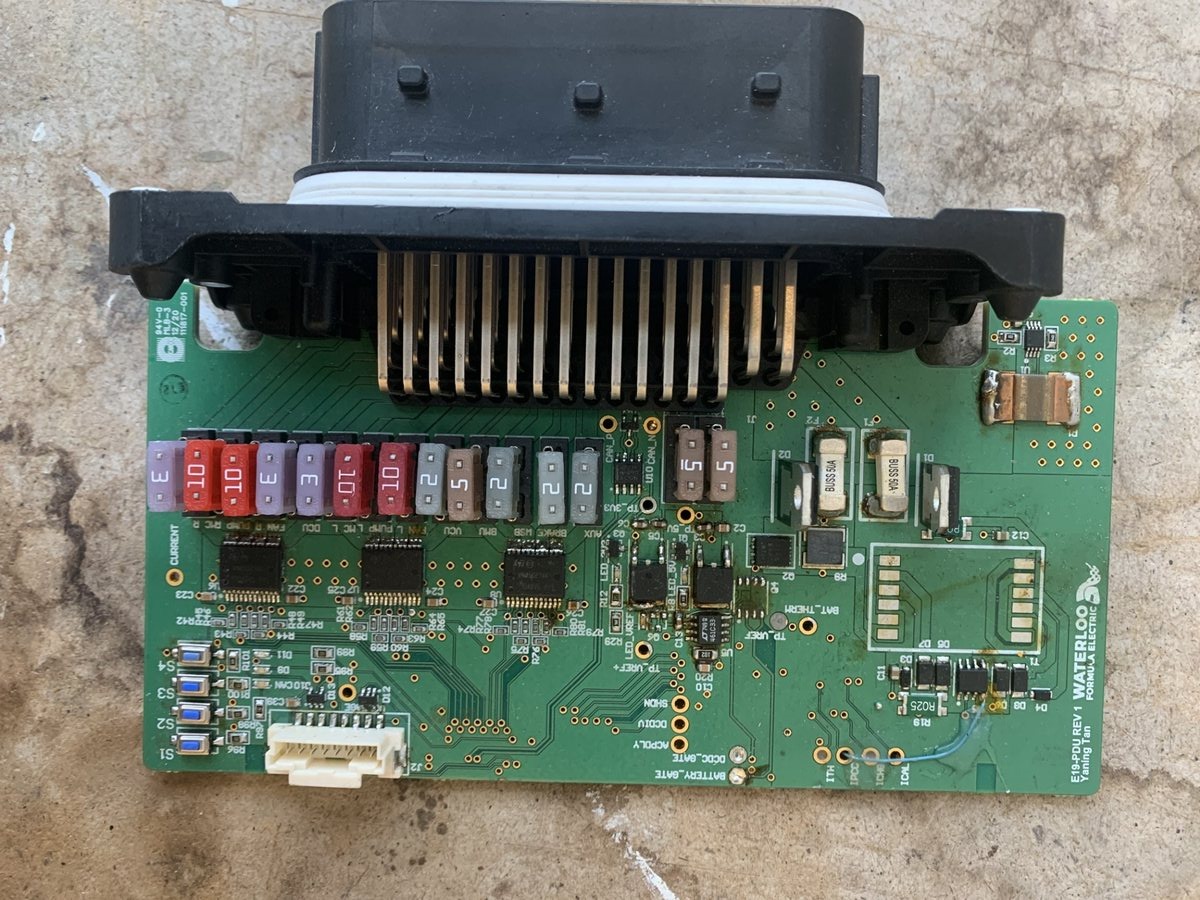
- Blade fuses: when one blew you measured every fuse to find it, then swapped it by hand
- The backup battery charging circuit never worked
- A low side shunt put the board ground above the connector ground, a grounding setup we did not like
What Changed for 2025
- Every old board was redesigned from first principles: cut what we did not need and redid every circuit, so every design decision was ours
- The BMU was split into the BMU and the PCU, keeping all the HV in its own area of the Ebox and making isolation requirements much easier to meet
- New enclosures give access to any board in under a minute
- Standardised TE AMPSEAL connectors on all boards, cleaning up the harness significantly
- Harness management moved from a spreadsheet into RapidHarness
- Test points on every trace, so any signal can be probed in place
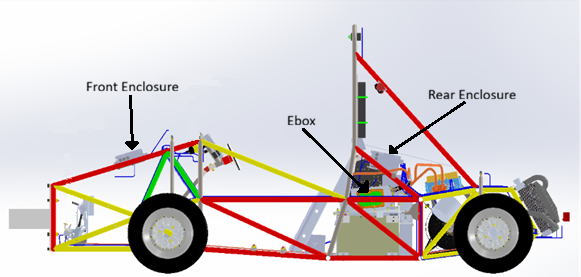
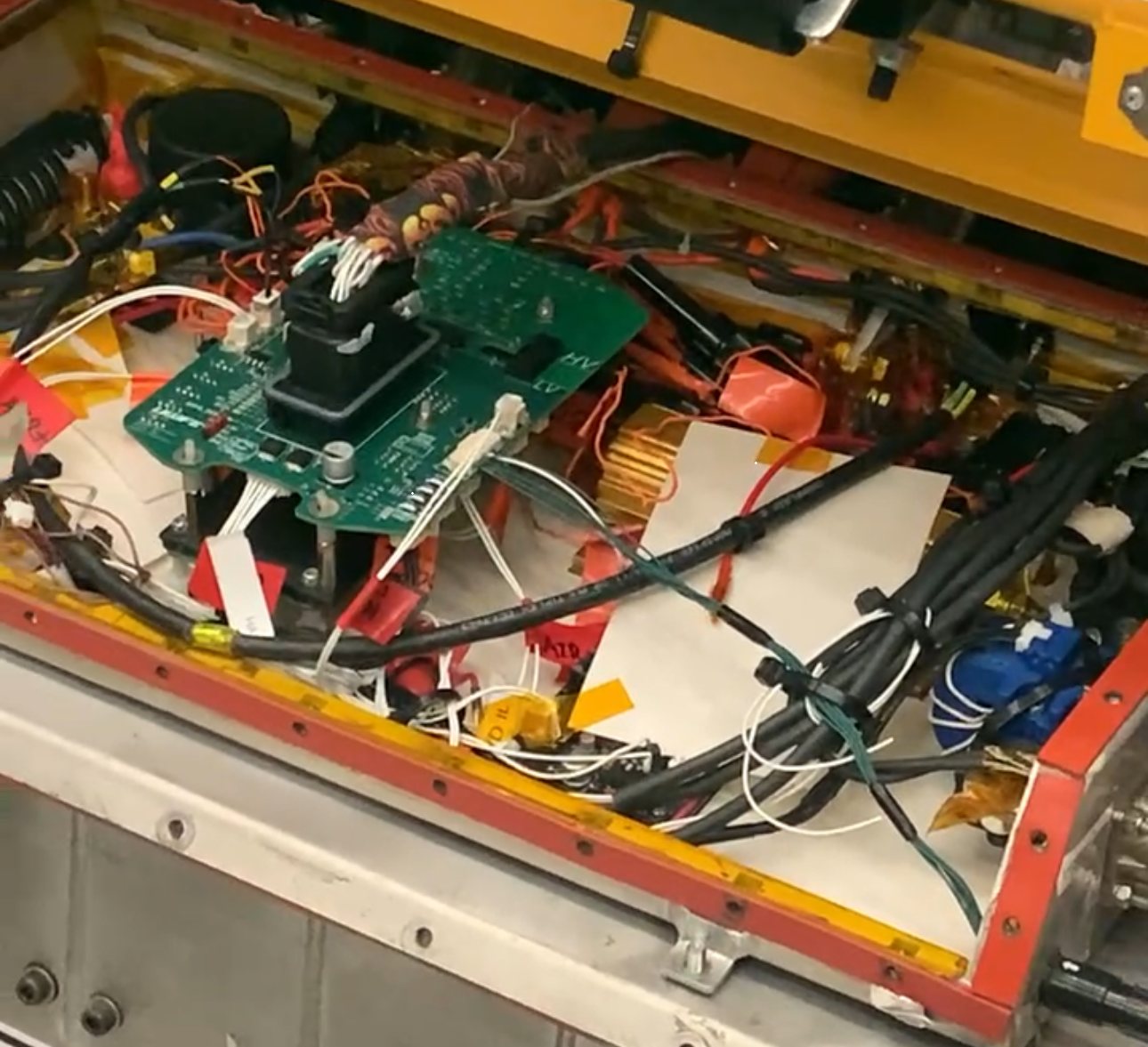
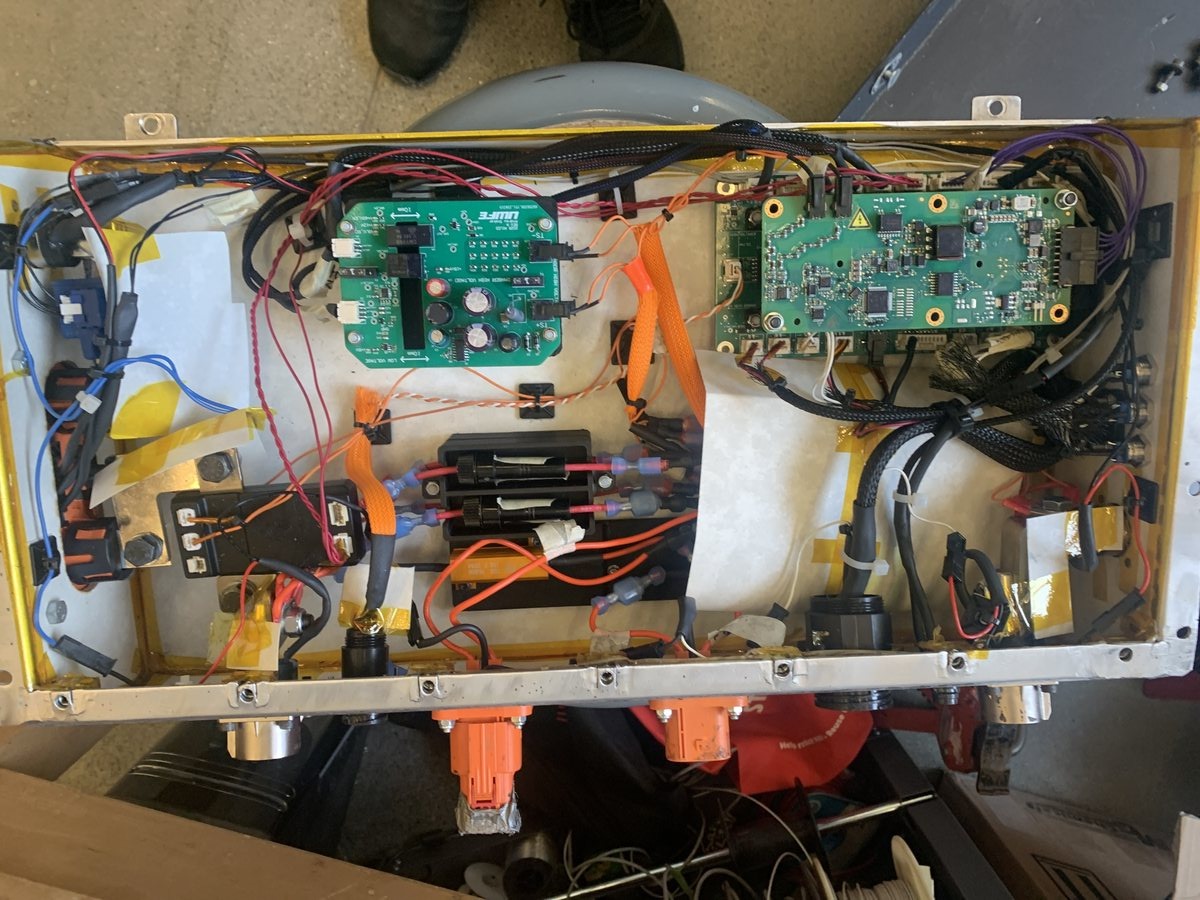
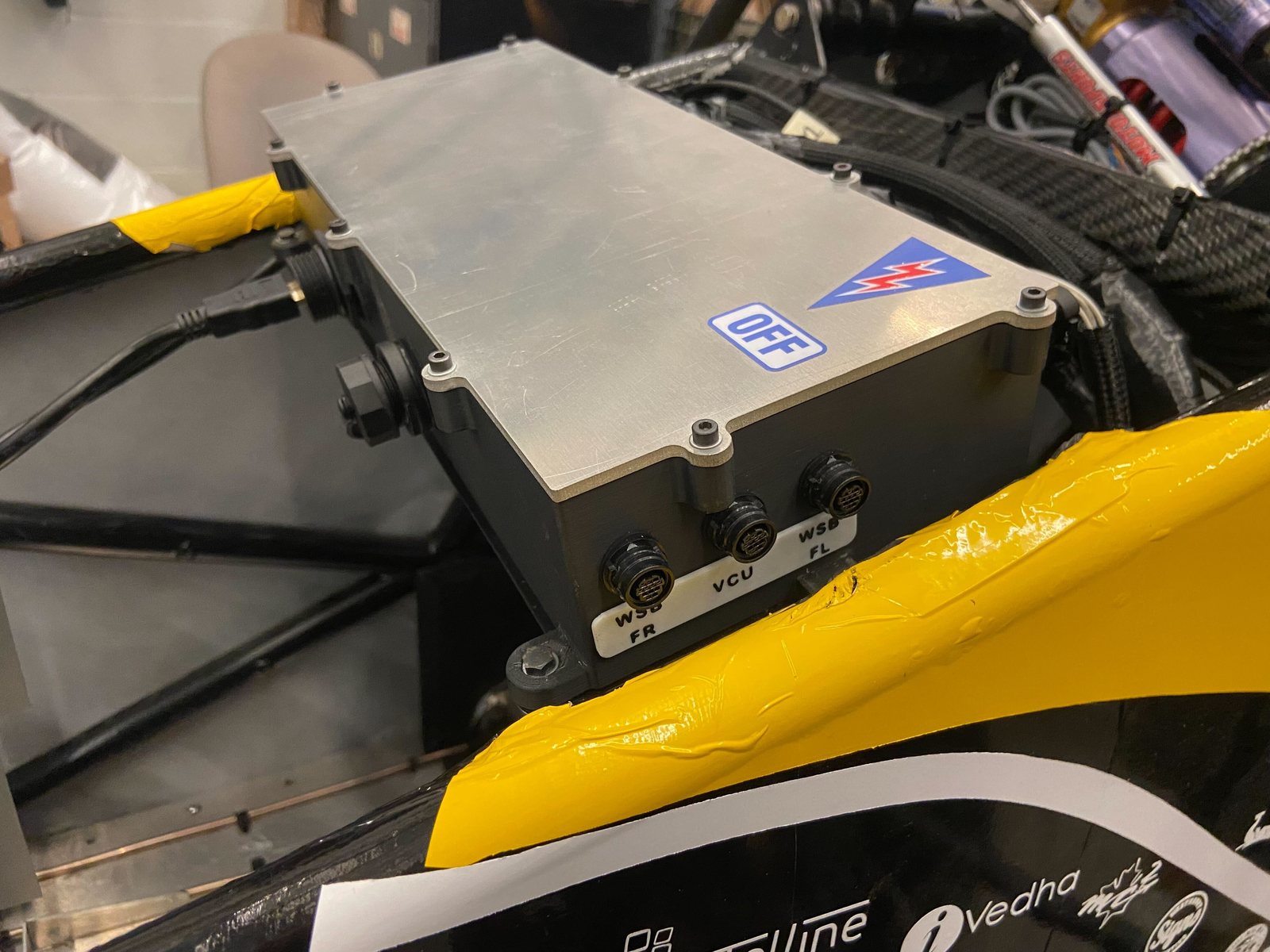
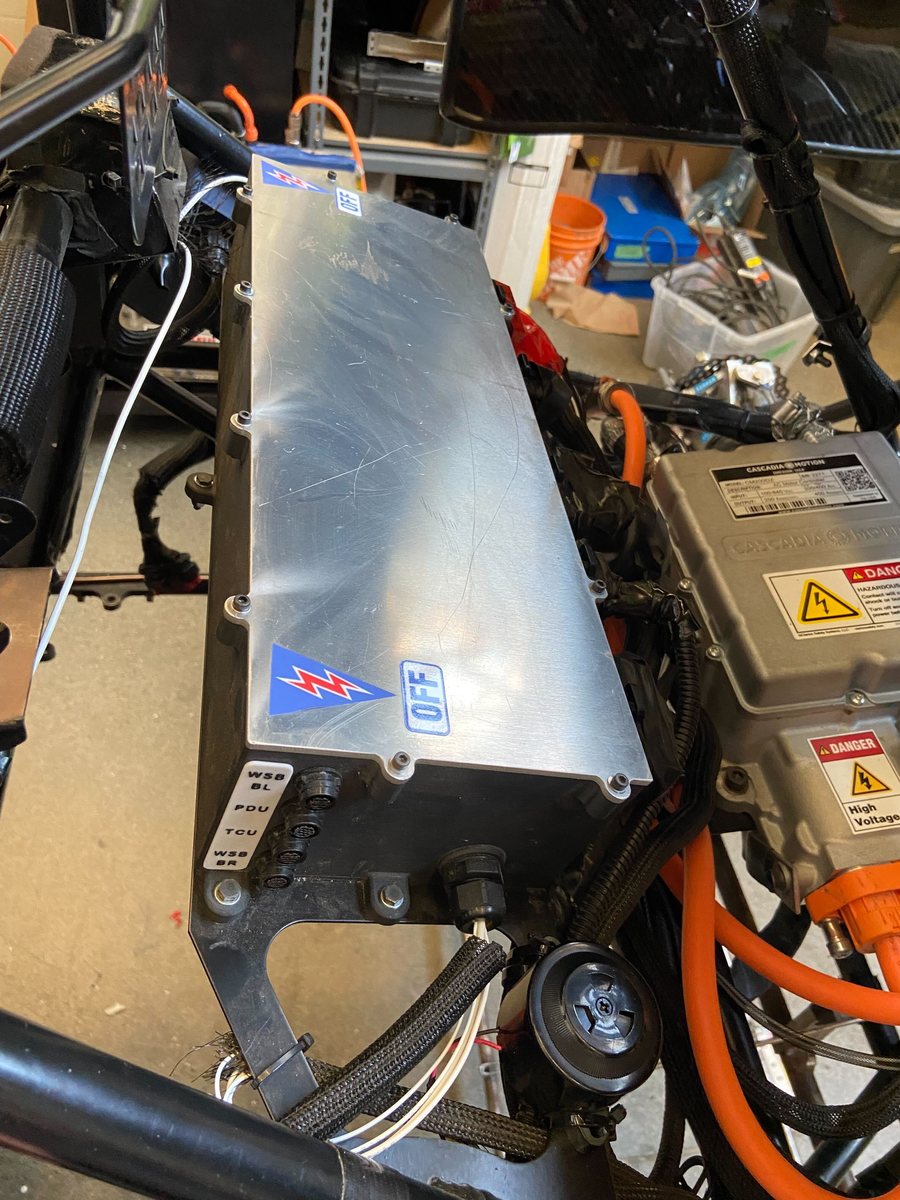
Boards I designed for 2025:
Other projects:
Bench Validation
The goal was rev 1 of every board built and brought up before Christmas, when I would be leaving for my Figure co-op.
- The BMU was tested against a 1:1 bench setup of all its external connections before it went near the pack
- The PDU's thermals were validated up to 30A with a 300W e-load
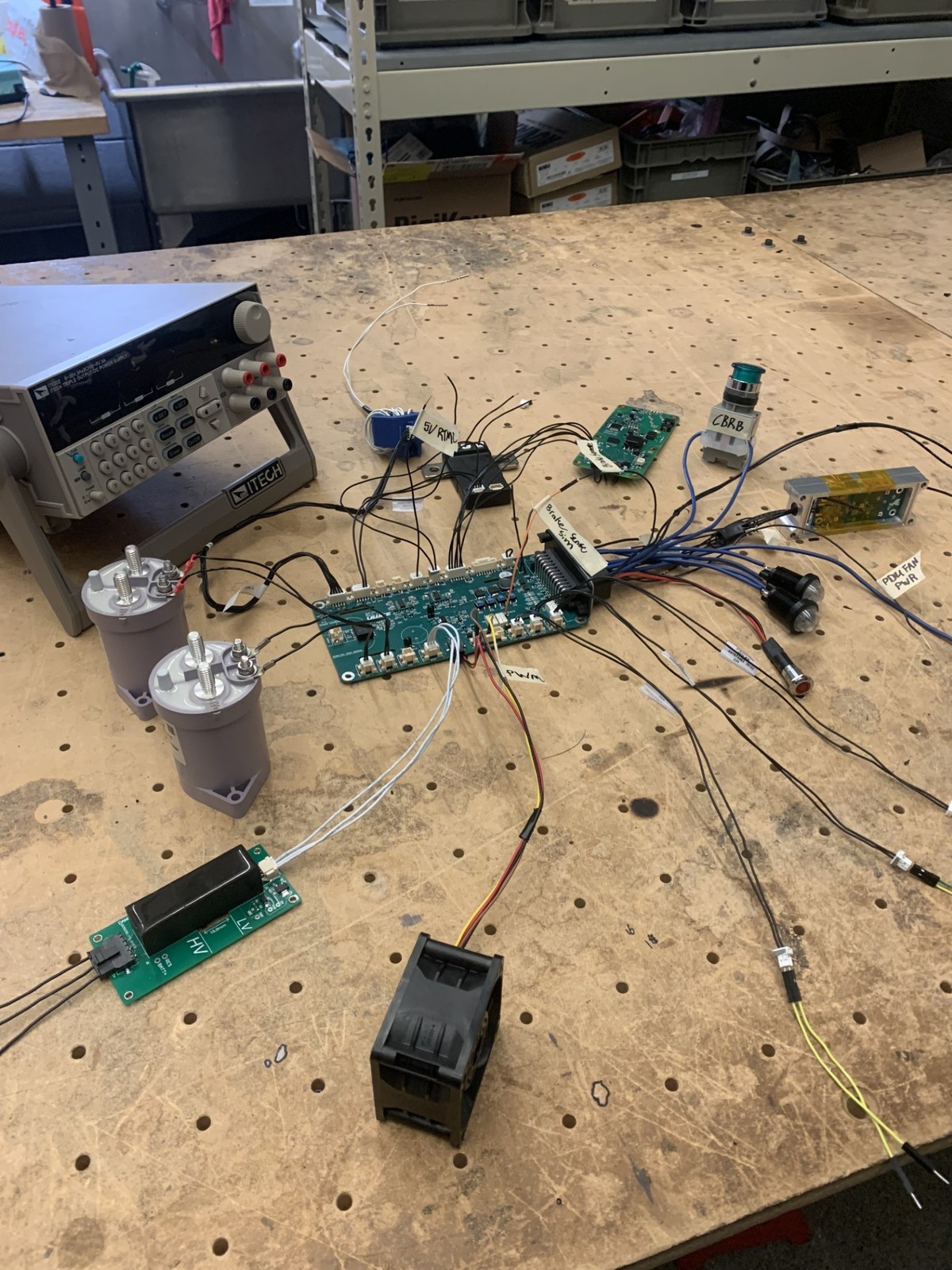
Using the 2024 Car as a Test Bench
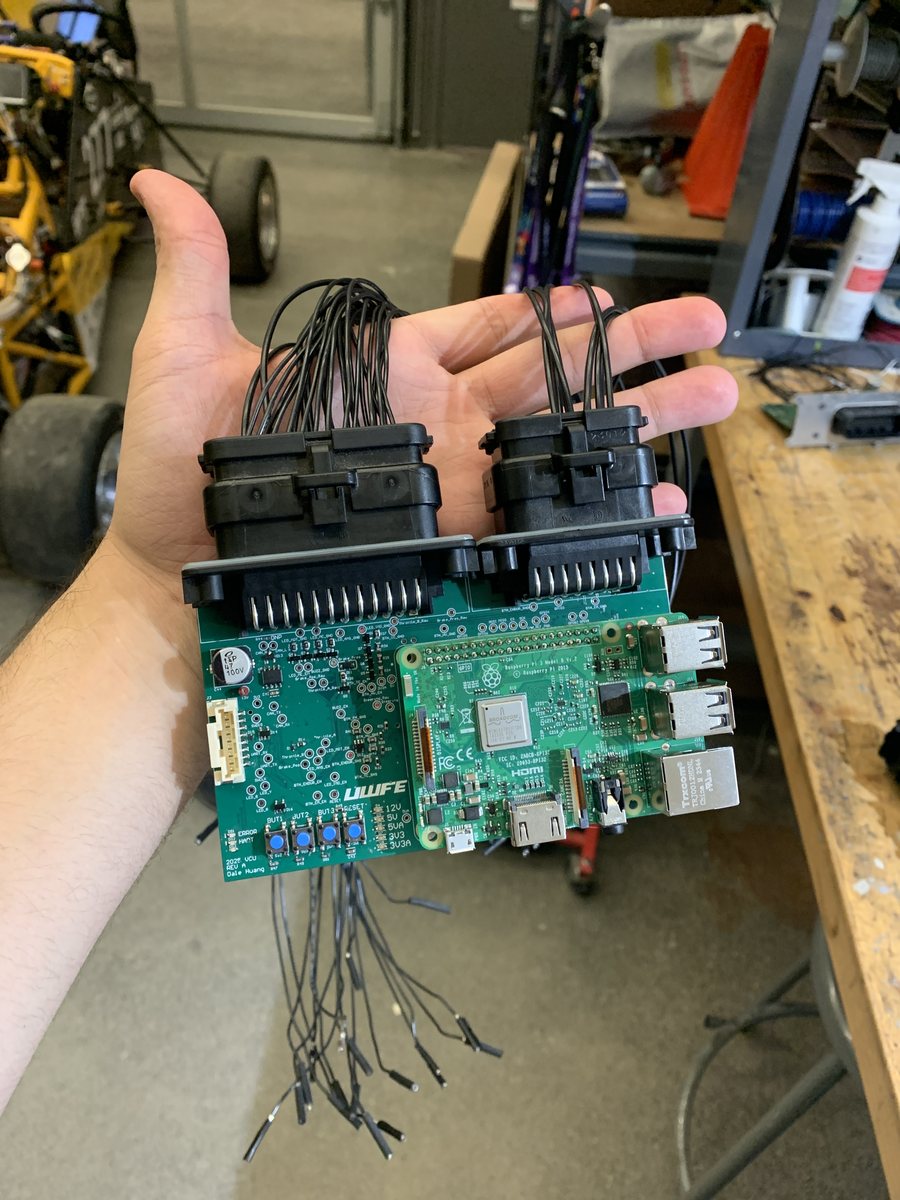
Once the boards were brought up on the bench, I built adaptor harnesses that connected them into the 2024 car's harness before the car got stripped. That let firmware run on a real car with real sensors, so full hardware and firmware integration happened before the 2025 car was even built.
- Every board ran in the old car through the car's original harness and an adaptor harness per board
- Firmware got to the point where the full system ran at HV and spun the wheels with no faults
Results
- First time powering on the 2025 car, it ran for 1 hour with 0 faults thanks to the integration on the 2024 car, and only stopped because the HV battery died
- Passed technical inspection at all 4 competitions we attended
- The first and only autocross time under 40 seconds in Formula Hybrid + Electric history
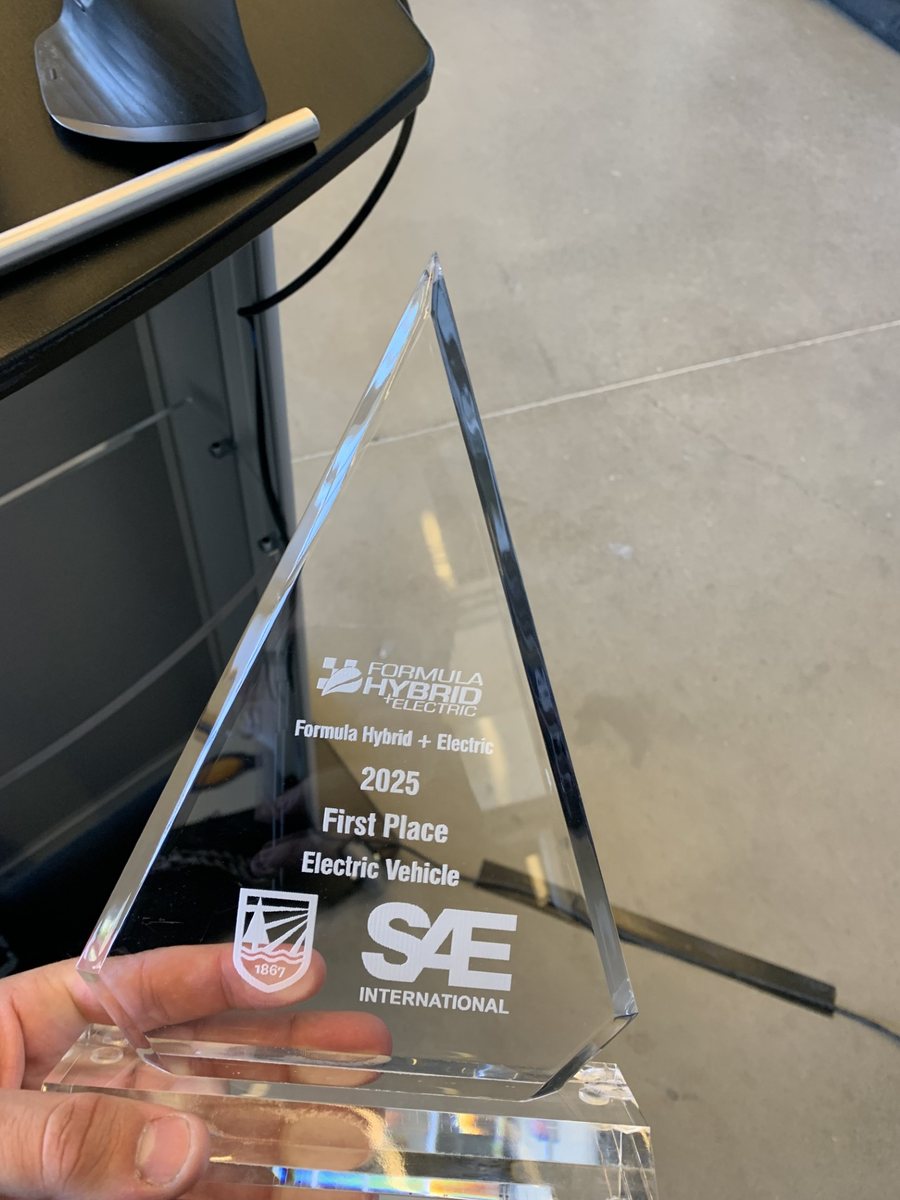
- Placed 1st out of 35 teams at Formula Hybrid + Electric 2025